Skip to the content Skip to the menu

What should you do with your pet if you contract COVID-19?

Advice from HSSA’s Medical Director and Veterinarian, Dr. Kathryn Halstead

The Humane Society of Southern Arizona (HSSA) encourages all pet owners to have an emergency plan in place for their pets. Below are recommendations for pet owners from the World Small Animal Veterinary Association (WSAVA), American Veterinary Medical Association (AVMA), and the Association of Shelter Veterinarians (ASV):

  • Make sure you have a pet emergency kit prepared
  • Keep at least 2 weeks of your pet’s food and medications on-hand in case of home-quarantine
  • Keep your companion animals with you if you are self-quarantined
  • Designate a family member or friend to take care of walking, feeding and playing with your pet if you become ill
  • If you have a service animal or you must care for your pet while you are ill, wear a face mask; don’t share food, kiss or hug them; and wash your hands before and after any contact with your pet or service animal
  • You should not share dishes, drinking glasses, cups, eating utensils, towels or bedding with other people or pets in your home
  • Keep cats inside

We at the Humane Society of Southern Arizona wish good health for you and your pets.

headshot KH

[ssba]

Holiday Pet Safety

The holidays are right around the corner!

While most of us anxiously await this time of the year, our furry friends may not be as excited. Many of the traditional decorations we enjoy are dangerous to our pets. Enjoy this holiday season with your favorite people and pets without an unexpected visit to the emergency veterinary clinic.

kitty-1708657_1280

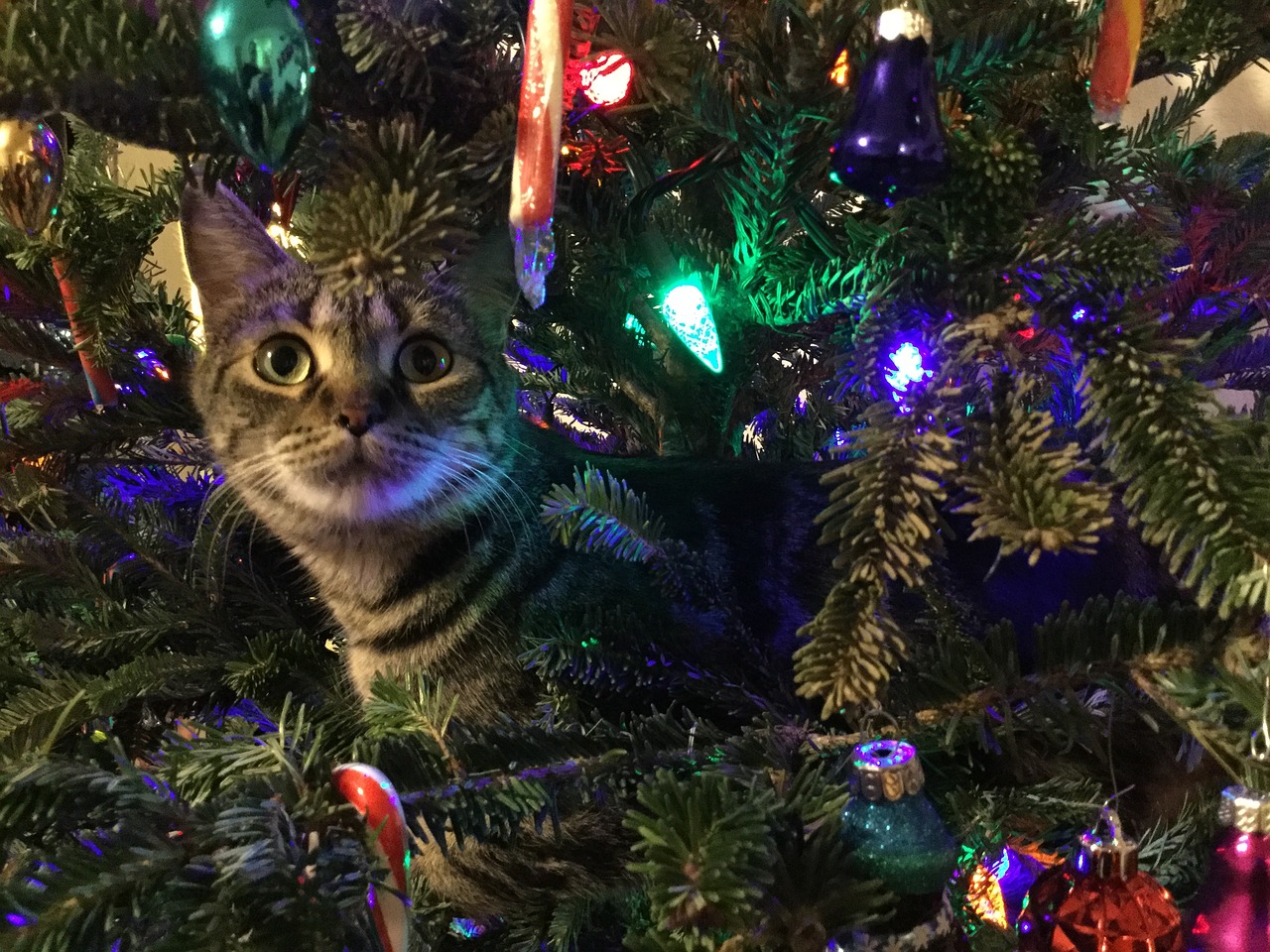
If this is the first Christmas you will spend with your cat, you need to know this! Cats love to climb Christmas trees—and can easily knock them over. This can put your cat at risk of becoming tangled in the tinsel or lights. Have a spray bottle with water ready to catch your cat before they try to climb it—or restrict your cat’s access to the tree, if possible. Many cats and dogs like to play with the ornaments on the bottom of the tree; we recommend replacing them with plastic or shatter proof tree ornaments to prevent potential injury from traditional glass ornaments.

8210688718_94e47e23b1_b

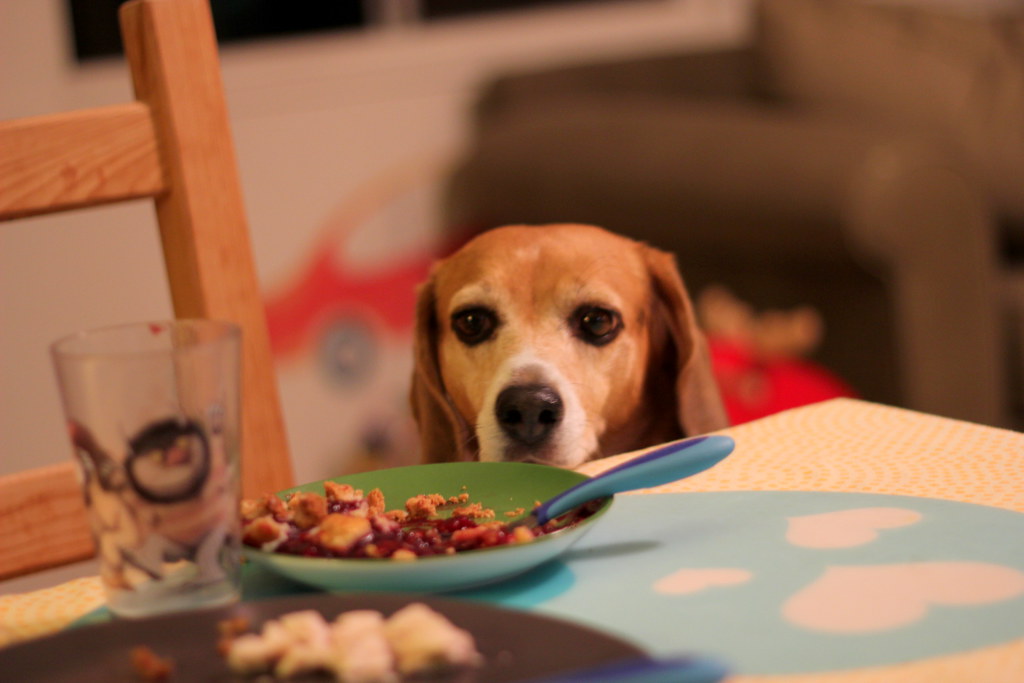
Holiday food is irresistible. This is the time of year most people fail on their diets—but don’t let your pet do the same! That leftover piece of turkey, mashed potato, or apple sauce can be harmful for your pet. Any human food given to your pet has the risk of causing stomach aches, vomiting and diarrhea. For more information on what holiday food is harmful to pets visit: https://www.aspca.org/pet-care/general-pet-care/holiday-safety-tips

pets_christmas_dogs_cat_santa_claus_cap-1065325

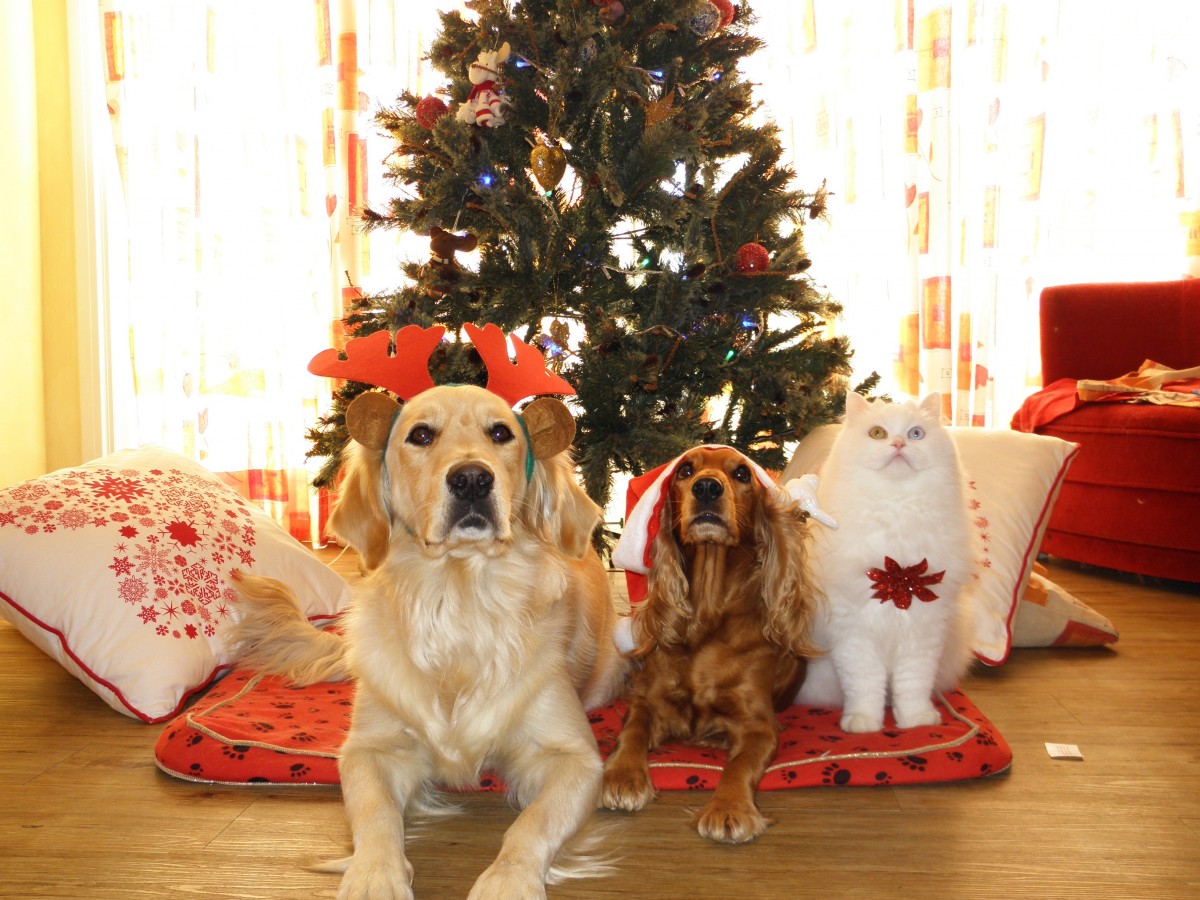
We understand that it can get a bit crazy and stressful when having guests over and that can be very stressful for some pets too! When you are greeting your guests, remember to close doors or try to keep your pets in a comfortable room away from all the festivities. If your pets are comfortable around people, remind your guests to not share food with them.

With all the precautions and the good holiday spirit, this season promises to be a remarkable one with your favorite people and pets, but not all pets are this lucky. Learn more about how you can give the gift of a forever home to a homeless pet at www.HSSAZ.org/Donate

[ssba]

Can my dog choke on food? #ASKHSSA

HSSA's Pet Safety and First Aid Classes can help you prevent medical emergencies like these.

What to watch out for and how to prevent it from happening.

Dogs love to eat, who doesn’t? The glee that most dogs exhibit as they gallop headlong towards a bowl of chow makes this fact evident. Some dogs seem to go into an almost trance-like state as they eat their dinner. It can be enough to make one wonder “can my dog choke while eating?”

The danger is real.

For most dogs, choking on food is unlikely, though our Animal Services Veterinarian, Dr. Overton, was quick to point out a few important exceptions. There are medical issues that can make swallowing food difficult for some dogs, but generally, in these cases, the pet owner is aware of the condition and can take measures to reduce the likelihood that choking will occur.

Pump the brakes.

Another group of dogs who are more susceptible to choking are those dogs that don’t just woof down their dinner with abandon, but literally inhale it. Dogs that eat too quickly do have the potential to choke on their food.  Luckily, there’s a simple and inexpensive solution to correct this behavior. Specialized dog food bowls known as ‘slow feed’ or ‘puzzle feed’ dog bowls help dogs that eat too fast slow down and take smaller bites.

Hot dogs not for dogs.

There is also the potential with dogs to choke on food when that food is not appropriate for your pooch. Table scraps and human foods, bones (cooked or raw), gristle, and fat are all dangerous as they are potential choking hazards for dogs. Not to mention the many human foods that are poisonous to dogs or that can cause an allergic reaction as these can also lead to choking.  Always feed your dog approved and age-appropriate dog food!

Chew on this.

Dog treats are a point of contention among many dog owners and there are many commercially available dog treats on the market. In general, most of these are not ideal – especially treats designed to be chewed and gnawed on by dogs. These can break apart or can be small enough for a dog to attempt to swallow but by their very nature, chews are tough and can be difficult to dislodge if stuck in a dog’s throat. Aside from the choking risk, many chews are actually too hard for dogs and can damage their teeth! As with the food you select for your pup, ensure that the treats you provide for you dog are a safe, healthy option.

Prevention is key.

We always recommend speaking with a veterinarian when deciding on your pet’s diet and health. We also recommend being well-equipped to handle a pet’s medical emergencies, if and when the need arises. The Humane Society of Southern Arizona offers Pet Safety and First Aid classes to help ensure pet owners are ready in the case of a pet emergency and to prevent them from happening in the first place.

Learn more about HSSA Pet Safety and First Aid Classes, available classes, and to sign-up, click here.


[ssba]

If I adopt a senior dog, will it have bad habits? #ASKHSSA

Old dog; new tricks.

Adopting an older dog or cat can be incredibly rewarding. Puppies and kittens are always a popular choice and are usually adopted very quickly. Older animals, on the other hand, have a harder time finding a family for several reasons. One reservation many people voice is that they want a dog that can be trained and the assumption is an older dog cannot be trained.

The old adage “you can’t teach an old dog new tricks” has had a damning effect on the way many households view older pets; especially dogs. It’s a question we hear frequently when potential adopters are considering an older dog: “If I adopt a senior dog, will it have bad habits?”

While it must be said that it depends on the dog, it is also necessary to point out that many dogs in our care have troubled pasts. Strays have to learn quickly how to survive on the streets and in the desert, while other dogs have suffered neglect or abuse. Behavioral consequences can occur in these cases and it takes a lot of time and love for these dogs to overcome those challenges.

With all that being said, you absolutely CAN teach an old dog new tricks (or, break their bad habits)! Our Behavior Programs Supervisor, Bailey Heater says teaching a senior dog is no different than teaching any other dog.

It depends on the dog and it depends on the person. Bailey pointed out that many of the reasons someone might dismiss a dog for being “too old”, are the same reasons another person might prefer to adopt a senior pet. Lower energy levels might be preferable to someone who just wants a dog that enjoys cuddling, whereas an adopter who wants a little ball of energy is better suited to the puppy life.

Older dogs tend to be much better at adjusting to a new home, too. They also tend to demonstrate their gratitude to their new forever family for getting them out of the shelter environment. It is not uncommon to see an older dog, who while in a kennel appears bored and uninterested transform into an enthusiastic, smiling, tail-wagging friend for life.

It’s also about managing your own expectations. An older dog may be set in its ways, so expecting them to behave exactly as you want them to without any guidance is an unrealistic expectation.

You can meet some of our favorite senior pets at our upcoming Family Fun Adoption Night on Friday, August 2nd, 2019.

[ssba]

116032445_xl

Will he be a good 'Dog Dad'? #ASKHSSA

He’s a great guy. He just might even be ‘The One’, but how do you know if the love of your life will be the dog dad that your pooch needs and deserves?

Being in a relationship is a wonderful and, sometimes wonderfully complicated, affair – especially when pets are involved. In many relationships, long before the thought of having a child with someone arises, the question “How do you know if your boyfriend will be a good father to your beloved dog?” gets asked. After all, your dog is a part of your life; a part of your family. It’s only natural to want to know if the man in your life is a responsible pet owner, too.

1. For starters, we’ll take it as read that you’re a great judge of character.

Not everybody is, but hopefully, we’re talking about generally decent human beings to begin with. Likewise, let’s assume that you yourself are a terrific and responsible pet owner. You ensure your dog’s health and happiness and do the things every day that are needed to adequately provide your dog with great care. That’s a great starting point in determining if your man will be a good dog dad.

2. Does he concern himself with your (or his own) dog’s health?

Does he actively participate and provide physical exercise and mental stimulation for an active and healthy dog? Does he know your dog’s nutritional needs? Ask yourself, if you sent him to the store for dog food, would he know which kind your dog eats? If he noticed your dog was acting ill, would he attentively listen to the vet at pooch’s veterinary visit?

3. Is spending time with - not just you - but your dog an important activity for him?

We’re not saying your clingy, but relationships are a time commitment. Spending time with a dog is one of the ways a deep bond is created between a dog and a human. Playing and exercising is one thing, cuddling on the couch, talking to your dog, and even napping are excellent signs your boyfriend is being a good dog dad.

4. Does your boyfriend have the patience needed to be a good dog dad?

Fathers are often thought of as disciplinarians, and that is true, too, with dog dads. Does your guy know when a firm “No” is called for and when to reward good behavior? Dogs that know and trust their master’s expectations are happier and feel more secure in their roles within the household dynamic. Providing guidance to a dog means more than just scolding a dog.

5. Lastly, boyfriends, like dogs, can be trained!

Not everyone has experience with being a dog owner and that doesn’t mean your partner can’t become a great dog dad. Sometimes a little practice and a little demonstrative dog ownership is all that’s needed for your dreamboat to become your dreamy dog dad, too.

If you know you've got the guy, and now that you're certain he'd make a great dog dad, take advantage of our Paws for Pops Father's Day adoption prices!

[ssba]

Can my dog learn to read? #ASKHSSA

You might think the answer is a short and sweet “nope”, but your four-legged fur baby could also end up surprising you with their ability to seemingly comprehend the written word.

While we’re not suggesting you dust off your college copy of Ana Karenina and chuck it to your dog, there have been cases where certain dogs have exhibited behavior that would indicate they can understand some printed words.

Cognition, or the ability to think and understand the world through sensory perception, is a complicated enough topic when discussing human intelligence. Animals, as they say, are an entirely different kettle of fish.

Dogs who demonstrate the ability to read and comprehend specific words are probably not “reading” in the way that we think of reading. Instead, it is likely these dogs are picking up on subtle cues to determine what behavior is expected of them. Just because the dog knows to sit when he is shown the word “sit”, doesn’t mean the dog has read the word and understands it.

Sorry, Fido probably won’t be reading bedtime stories to the kiddos anytime soon.  The opposite, however, is a very beneficial activity! Our Paws and Pages Literacy Program gives children the opportunity to improve their reading skills while giving shelter pets a non-challenging way to socialize and interact with people. Reading to shelter pets decreases their stress levels and improves their interactions with people. It’s a win-win for everyone!

Check out our Paws and Pages Literacy Program here.

This year, as part of our celebration of our 75th Anniversary, the Paws and Pages Literacy Program is hosting a very special 4th of July Patriots, Paws and Pages event. Veterans and active-duty personnel can read to shelter pets to help soothe them during a night that is difficult for many shelter dogs.

Learn more about Patriots, Paws and Pages, and all of our 75th Anniversary festivities, here.

[ssba]

Should I adopt a bunny? #ASKHSSA

It’s hard to deny how incredibly adorable bunnies are.

Aside from dogs and cats, rabbits are one of the most popular family pets. Sadly, many people who buy a rabbit on impulse are not prepared to take care of it long-term. Easter time is an especially popular time for impulse bunny buying and consequently results in a large number of bunnies and rabbits being abandoned shortly after Easter weekend.


So, should you adopt a bunny? Like any pet, rabbits are a commitment. They require specific foods, bedding, and daily care in order to remain happy and healthy. Before hopping down the ol’ bunny trail, give this simple pet rabbit checklist to see if you are truly ready to add one of the little floppy furballs to your family:


  1. Time Commitment. Perhaps the most important aspect to keeping a pet rabbit is the time commitment. It is a common belief that rabbits are short-lived. Nothing could be further from the truth! Domestic rabbit breeds can easily live to be ten years old or older.


  1. Time Commitment Part 2. Not only are pet rabbits a long-term commitment, they also have daily needs that should be considered. While daily maintenance might only take up a few minutes, it’s still worth noting when considering keeping a bunny as a pet.


  1. Habitat. Providing a rabbit with indoor areas to run and play is a must, as is providing a hutch or other “house” with rabbit-safe bedding. Rabbits make great indoor pets. It may surprise some to learn that rabbits can be litterbox trained! If you train your pet rabbit, be sure to keep the litterbox clean. Make sure any areas you allow your pet bunny to roam has been “bunny-proofed”. Secure and protect any electrical wires and outlets and remove any items your rabbit might chew or damage.


  1. Food and water. While we’re just discussing indoor pet rabbits, all rabbits require lots of water! Making sure your pet rabbit has fresh water at all times of the day; every day, is essential. Provide your rabbit with a high-quality rabbit feed and fresh hay. Despite Bugs Bunny, rabbits should not regularly eat carrots. Learning what foods your rabbit can, should, and will eat will help you keep your pet bunny diet a healthy one.


  1. Playtime! One of the best reasons to own a pet rabbit is enjoying their playfulness. Bunnies love to play with toys. You can find a variety of cute and rabbit-safe toys at most pet stores, but bunnies aren’t picky! Cardboard tubes, like those used for paper towels, make great toys (as long as they are just cardboard and do not have inks or dyes printed on them). Giving your bunny time and space to run, play, hide and jump about is also essential to keep your curious and fun-loving pet rabbit from getting bored (which can lead to destructive behavior).


These are just the basics of what is involved in having a pet rabbit. As with any animal you are considering as a pet, do you research and ask yourself if you really are ready to care for this pet. If you understand and are ready to care for a fluffy little bunny furball, then by all means, you should adopt a bunny!

[ssba]

Why do you play music in the catios? #ASKHSSA

Catio = Cat Patio (just in case your didn't know!)

One cool feature of our shelter is the indoor/outdoor spaces we provide for cats. These ‘catios’ also feature a sound system so our lounging cats can enjoy some tunes! Since classical music has shown to be the favored musical genre for both cats and dogs, we play a selection of soothing and beautiful classical pieces for our feline guests.

However, that may change in the near future. Recent research into what kinds of music cats prefer has indicated that music specifically created for cats may be even more effective than human music. The research indicates that cats prefer music composed in frequencies and patterns representative of natural feline communication. The music isn’t necessarily pleasing to human ears but in the studies note that cats respond favorably to this new type of music.

So who knows? Maybe in the not-too-distant future we will see bands that perform exclusively for cats!

In fact, classical music, as a genre, is what is recommended for pets. Though, consider that a Straussian waltz would be ideal, whereas Grieg’s “In the Hall of the Mountain King”, with its bombastic and brash sound, could be stressful to your pet. In other words, selection is key when choosing music for your pets.

Bring your pet to a concert that supports homeless pets on March 9th! Gimme Shelter Rolling Stones and Rocking Originals is a day long concert featuring local bands and vendors. Don't forget dogs are invited to enjoy the grass and the rocking tunes! Learn more about this great event here. We hope to see you there!

[ssba]

Does my pet like music? #ASKHSSA

For humans, music is an essential part of our lives.

We listen, we dance, we sing. The human heart beat was the first drum. Animals, on the other hand, have widely different reactions to music depending on the species.  According to research conducted in the field of zoomusicology (the study of animal responses to music), cats and dogs do enjoy music.

Many pet owners leave music playing at home for their pet while at work for the day. The idea being that it provides company and comfort to what would otherwise be a quiet, uneventful day for their pets.

So, what kinds of music should you play for your pets? Interestingly, or maybe obviously for you music lovers out there, but pets prefer certain genres of music more than others. Perhaps no explanation is needed as to why loud, aggressive, high-beat music doesn’t do much to de-stress our pets while, slower-paced, symphonic classical music results in napping dogs and lounging cats.

In fact, classical music, as a genre, is what is recommended for pets. Though, consider that a Straussian waltz would be ideal, whereas Grieg’s “In the Hall of the Mountain King”, with its bombastic and brash sound, could be stressful to your pet. In other words, selection is key when choosing music for your pets.

Bring your pet to a concert that supports homeless pets on March 9th! Gimme Shelter Rolling Stones and Rocking Originals is a day long concert featuring local bands and vendors. Don't forget dogs are invited to enjoy the grass and the rocking tunes! Learn more about this great event here. We hope to see you there!

[ssba]

What if my partner is allergic to my pets? #ASKHSSA

Sorry to hear that!

Being diagnosed with an allergy to pets can be frustrating, especially for loving pet owners, or in this case, those who are looking at the possibility of living with a pet. Aside from the severe cases, many pet allergy sufferers have options and strategies to reduce or alleviate the symptoms of pet allergies. Allergies can affect everyone differently. Some allergy sufferers see success with some, or a combination, of the following practices. Please, consult a physician before employing any of these methods.

For many, using medication to combat the symptoms of pet allergies is the best solution. There are immunotherapy injections, nasal sprays, and topical applications that have proven to be effective. Again, consult with your doctor if this approach would be best for you or your partner.

Establish an area of your home that can be free of the pet (and pet dander). Bedrooms are a popular choice for this. It can be reasonably easy to restrict a pet’s access to a bedroom and is an area where the person with pet allergies can sleep comfortably.

Lastly, because of the nature of pet allergies, maintaining air quality can be a huge help. HEPA filters are a proven weapon against pet dander. Replacing the air filtration in your home with HEPA filters is a cost-effective measure; though using HEPA filters alongside an ionizer is even more effective.

[ssba]

How much exercise does my pet need? #ASKHSSA

The short answer, it varies.

While there’s merit to the old adage “If your dog is overweight, you’re not getting enough exercise”, determining what is an appropriate amount of exercise for your pet depends more on your specific pet’s needs rather than your own BMI.

Different types of dogs require different amounts of exercise. Knowing your dog’s physical activity requirements is essential. Naturally, a Greyhound needs to expend more energy everyday than a Yorkshire terrier would require.  ‘Work’ dogs such as cattle dogs and shepherds have been bred to chase and corral livestock. Many dogs need daily exercise and mental stimulation, while a ‘lap dog’ might not be an Olympic hopeful, they still benefit from physical activities.

Age is also an important factor to consider when it comes to pet exercise. Young cats and kittens use exercise to stimulate their senses and reflexes. It is play, but it’s also how cats exercise. As your cat matures into adulthood, their playfulness and physical activity wanes, but both adult and even elderly cats and dogs should receive physical and mental exercise.

Confer with your Veterinarian to determine the exact amount and level of exercise that is appropriate for your pet, then create a workout regimen and stick to it!

[ssba]

Is it safe to take my dog hiking? #ASKHSSA

Yes, but be on guard!

Hiking is one of the most popular outdoor activities in the Tucson area. However, there are some safety precautions to consider. You wouldn’t go hiking in the hottest parts of the year without ample hydration. If you’re taking your dog with you, you’re going to need to bring more water. Simply sharing the amount of water you would take for just yourself won’t cut it.

You don’t hike barefoot; neither should your dog. It’s one thing if you’re going out for a casual stroll on a shady stretch of The Loop, but if you and your dog are headed out into the desert, your dog is going to really need some footwear. Jagged rocks, cactus spines, goat heads, stinging insects – even broken glass – are all environmental hazards that can be easily avoided by protecting your pooch’s paws.

Not all hiking trails are created equal. Always check before hitting the trail head that dogs are permitted in the area. Some trails prohibit dogs and all hiking trails that do allow dogs require the dog to be leashed at all times.

Also, familiarize yourself with the types of wildlife in the area. We offer rattlesnake avoidance training for dogs! You can learn about this vital program here.

Lastly, always keep your dog’s abilities in mind. DON’T take your Chihuahua hiking through miles of the Chiricahua National Monument in 120-degree heat. DO take your Saint Bernard to Summer Haven to enjoy the snow. It all depends on your specific dog!

Did you know? HSSA’s volunteers can participate in our FAST Program allows volunteers to give selected dogs time away from the shelter for activities like jogging, hiking, or even just relaxation and socialization. Learn more at hssaz.org/help/volunteer/

The Most Common Mistakes We Make According to Vets

Maybe you’ve been gently chastised by your vet for

letting your cat pack on extra pounds or letting your dog’s teeth get out of hand. But there are plenty of times that veterinarians have held back, keeping their opinions to themselves about how we’re messing up with our pets. When the question was raised in a recent Reddit thread “what common pet care mistakes are we making with our pets?”, veterinarians weighed in with gusto, prompting more than 8,700 comments.

Here’s a look at the most common pet care mistakes that we, as pet owners, make according to the mostly polite, frustrated animal docs.

Feature-Photo-685x400[1]

Listening to other People for Medical Advice

In today’s world, it’s hard to deny that everyone seems to have a different opinion when it comes to pet care. Many vets weighed in about clients who argued against their advice, saying that their breeder, trainer or groomer disagreed and told them to do something else. You can find admittedly passionate (yet still wrong) pet care advice everywhere – not only from breeders and groomers, but also animal trainers, pet stores employees, farriers, your eccentric neighbor, your friend, your parents, some random guy on the street, etc., etc.

Thanks, but we prefer the advice of highly-skilled and educated veterinarians when it comes to the health of our furry family members. You wouldn’t let your barber perform your root canal; why would you listen to pet advice from Barb next door, who burned the casserole for the block party last summer?

Pritkin-Diet-1200x1200-768x768[1]

Get it together, Barb.

Letting them Get Overweight.

Obesity is another common mistake people make with their pets. Being chubby isn’t cute or a sign of love. Instead, it can lead to all sorts of medical problems. Experts suggest you feed the best quality food you can afford, take guidelines from the bag about how much to feed and then make changes if necessary. Table scraps, junk ingredients, and overfeeding are all very unhealthy pet feeding practices. Luckily, maintaining a healthy diet for your pet is one of the easier pet mistakes to solve. Dogs and cats are fairly simple when it comes to feeding and maintaining weight. Most food manufacturers provide guidance as to how much to feed based on weight. If you follow that and your pet starts gaining weight, then you know to change something.

IMG_7822-768x458[1]

I can has cheeseburg-NO, YOU CANNOT

Not Taking Care of their Teeth

Vets and vet techs posted a lot about dental care, pointing out that having annual dental checkups as part of your pet’s annual exams was key. But don’t leave it to the vet to take care of your pet’s teeth. Good oral health for your pet should be practiced at home. Brushing every single day with a vet-approved toothpaste is the single most important component of your pet’s oral care. They suggest getting your pet accustomed to regular brushing. If you can’t get your furry best friend to cooperate, try dental rinses and chews.

dental-768x512[1]

Waddya mean say "awww"?!? I'm saying "aww"! I'm saying "aww"!

Forgoing Basic Nail Care

Do you clip or grind your pet’s nails? Many pet owners never do this for their pets. Veterinarians urge pet owners to regularly check and clip, or grind, their pet’s nails. Nails that have been left untended can result in serious and painful issues. Ingrown nails are a common and painful problem for animals with unkempt nails. These have to be surgically dug out of the animal’s flesh. Most of the time, an animal with an ingrown nail will give no outward indication that they are in pain. In return, this can cause owners to be unaware of how much their pet is suffering by not trimming their pet’s nails and this in turn can lead to costly and needless vet bills. A $5 pair of pet nail clippers, or $500 surgery? Tough decision, isn’t it?

nails[1]

When you said we were going to get my nails done, I thought you meant at a salon!

Not Socializing Puppies

Puppies need to experience other dogs and meet people early in their life. Puppies go through a socialization period in their development. This window for socialization closes in about fourteen weeks of their young lives. If puppies aren’t properly socialized before approximately their sixteenth week of development, it can have lasting and detrimental behavioral effects.

IMG_7718-768x471[1]

Socialize me.


Young pups need to be around other dogs and people in safe and controlled environments. We suggest puppy socialization classes, but arranging a play date at a friend’s house, or your own, works great, too. Notice that we are NOT saying to take them to a dog park! Ensure that the dogs your puppies will be around are healthy and vaccinated and make sure they will play nice with your puppies so that it is a positive experience for your pups.

We also encourage you to let your puppies experience as many new things as they can during the socialization phase. Introduce your puppies to humans of all shapes, sizes, and race and let them experience walking on many different surfaces; smooth tile, carpet, steps, bricks, stone, etc. Show them common household items as you use them so that your pups will not be fearful of these items later. Be sure to offer treats and praise and have fun with your puppies while socializing them!

Choosing Unhealthy Breeds

When certain dogs walk in the door, vets sigh and know they can expect a lifetime of health issues. One of the biggest pet care mistakes that many pet owners make is buying dog breeds that have low life expectancy and a proclivity for serious illnesses. Many breeds like bulldogs and other ‘flat-faced’ pet breeds are poorly bred and can be expected to result in routine and costly vet bills. It can be easy to forget that these traits were bred into these dogs and are not a natural part of the dog’s physical characteristics and therefore, not necessary. Research different breeds and consult with a veterinarian to ensure that the breed you want has a reputation for being healthy and long-lived.

pixabay-768x512[1]

Cute? Maybe. Respiratory problems? Definitely.

Skipping the Annual Checkup

Nobody likes being poked and prodded and maybe you don’t want to see your pet uncomfortable either. But it’s worth the yearly trip just to make sure there’s nothing going on with your dog or cat’s health. The health of our pets can change much more rapidly than they do in the human body. This makes sense when you compare the lifespan of your pet to your own. Vets understand that, despite their dedication to the health of your pet, your pet might not share that passion and would rather skip the office visit.

IMG_6528-768x512[1]

Consider that a fifteen minute visit, once a year, is worth the time and effort to ensure your pet’s continued health. In return, they give you unconditional love. Pretty fair deal, if you ask us.

[ssba]

What it Means to be 'Kennel Reactive'

We recently featured Periwinkle,

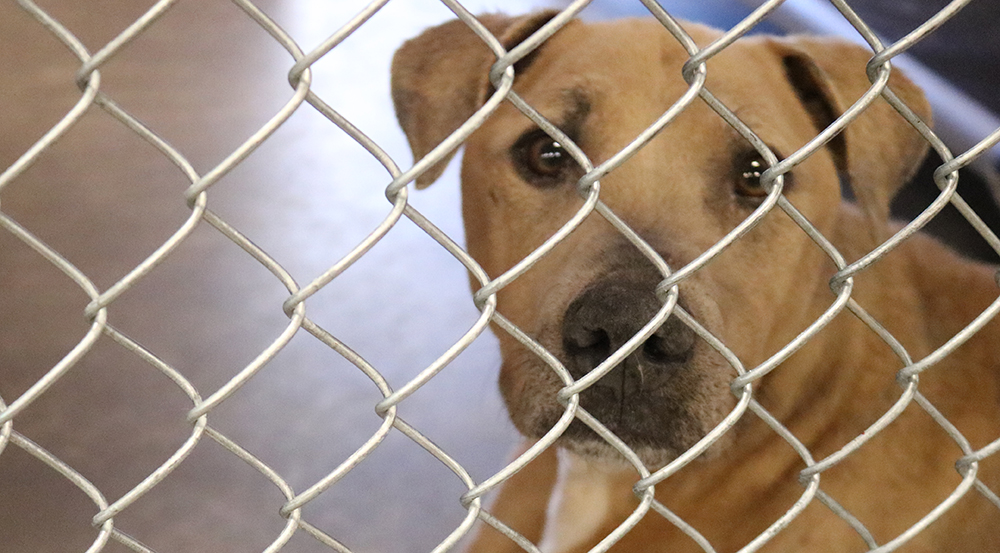
an adorable blonde hound who had been waiting in our shelter for over 100 days. We were becoming concerned with his increased kennel reactivity and wanted to make sure that he found a home soon. Periwinkle is a very sweet and gentle dog. We learned that about him quickly. Like many of the animals here, he did not deserve the long wait that he has had with us to find a forever home. His playful attitude and gentle disposition and cute hound dog appearance would seemingly make him a great pet for somebody! Instead he has waited patiently here for adoption while becoming more kennel reactive every day. But what does ‘kennel reactive’, also referred to as ‘barrier reactive’, actually mean?

Watch Periwinkle’s video for an example of kennel reactivity.

How Does a Dog Become Kennel Reactive?

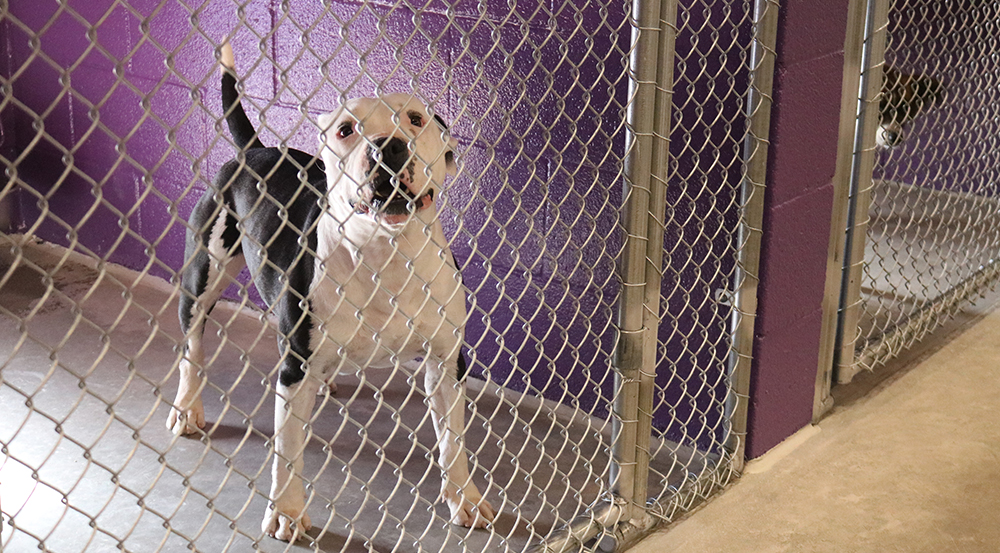
Many dog breeds have evolved over time to become very specialized to capitalize on their genetic traits. Take K-9 dogs, for example. Their job is to sniff out contraband. Routinely tasked with finding this contraband, these dogs can become frustrated and even suffer from depression if they are unable to locate any contraband. To offset these conditions, trainers will provide these dogs with ‘patsy’ contraband to find. The dogs can then successfully feel like they have completed their task and relax. Similarly, many breeds of dogs are not meant to spend extended amounts of time in a kennel environment. It is hard for even the most even-tempered dog to withstand the frustration of seeing people and other dogs continually walk past their kennel door.

IMG_6275-resize-for-blog-2

An animal shelter is just that -shelter for animals that need it. It is not a home. It is not a pet store. It is, at its best, a temporary solution for animals that need a permanent home. We get attached to the animals that we care for. That goes with the territory. We want the very best for our animals -both while they are here with us, and once they are adopted. Part of safely and humanely housing a large number of animals requires the use of kennels. This is a necessary element to ensuring each animal has safe, comfortable, and adequate housing. This, however, is a double-edged sword.

Symtoms of Being Kennel Reactive

Dogs are social animals by nature and having a barrier between themselves and the rest of the world has a very real emotional and psychological impact on many dogs. This impact on their psyche manifests itself as behavioral changes within the dog. This is the cause of kennel reactivity. Barking, growling, and whining are some of the most common and easily identifiable behaviors that can occur when a dog becomes kennel reactive, though other unwanted behaviors such as aggressive jumping and biting, can also present. It is a very difficult thing to see happening to a dog that you know to be a gentle and generally well-adjusted animal such as Periwinkle.

IMG_6278-resize-for-blog-2

It also makes it all the more difficult to find a family and a home for a dog that has become barrier reactive. The public at large may not be familiar with the effects of kennel reactivity and assume the dog’s behavior while in a kennel as being indicative of their actual disposition. It is all too common for potential adopters to overlook kennel reactive dogs due to this assumption. After all, who would want to adopt a dog that is going to aggressively bark, growl, lunge? And so, problem of kennel reactivity self-perpetuates. The dog becomes more reactive, and the more reactive it is, the less adoptable it appears, the more time it spends in the kennel, the more kennel reactive it becomes, and so, on and on it goes.

A Solution for Kennel Reactive Dogs

There is a wonderful truth about this, though. Kennel reactivity can be counter-acted. The fix is a simple one. Remove the afflicted animal from the kennel for good. A normal, healthy household is what a dog needs. A loving and active lifestyle that permits the animal to behave naturally. A focus on socialization with other dogs, and properly training these dogs for walking on and off leash around other people and animals can heal a dog of its kennel reactivity. Periwinkle is a great example of this! Our spotlight video featuring him shows both his true nature; running, playing, and happy, as well as how he exhibits reactivity in his kennel. His prolonged stay within our kennels was a growing concern for all of us who have had the joy of interacting with him. We wanted to find him a home, and soon.

UPDATE

Periwinkle has been adopted! He is on his way home and on the road to recovering from his kennel reactivity. We hope more people will become aware of what it means for a dog to be kennel reactive. Behind these symptoms is a dog that simply needs a loving home.

Periwinkle-854254-resize-for-blog-1-300x300

[ssba]

Letters from the Kennel: 5 Pet Safety Tips for a Happy Halloween

Tomorrow is Halloween. It’s the spookiest night of the year, and if you have a pet, it has the potential to get even spookier.

The holidays are generally a happy time. Halloween is tons of fun for humans, and dressing up in a creative costume, visiting haunted houses, and eating lots of free candy is a once-a-year experience. But with pets, this fun holiday could turn sour in a matter of seconds. The following 6 pet safety tips can help ensure that Halloween goes well for your family.

1. Keep the candy out of reach.

Halloween-1-733x550

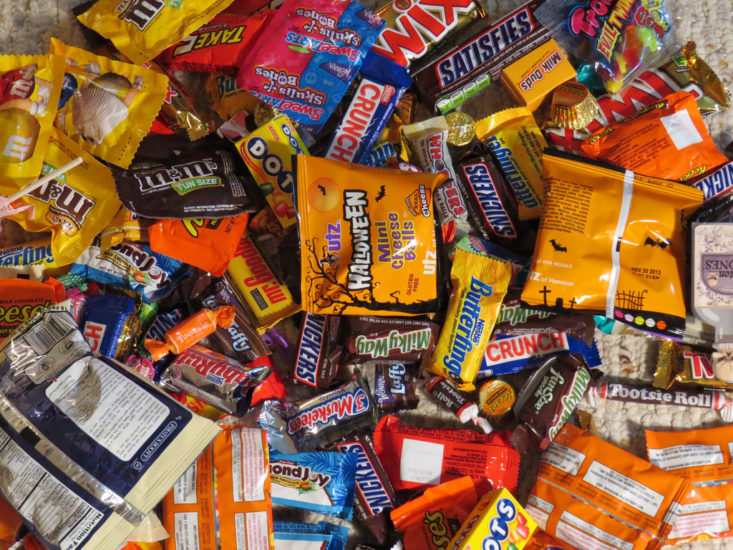
Halloween candy is exciting for humans, and it’s exciting for pets, too. However, you shouldn’t let your pets eat Halloween candy. Most candy given out on this holiday contains at least one of two very dangerous ingredients: chocolate and xylitol. Both of these ingredients can be potentially fatal for pets. In addition, while a little bit of sugar is not harmful for your pets, feeding them treats like candy can contribute to obesity, diabetes, pancreatitis, and dental problems. Cats’ and dogs’ bodies process glucose (a form of sugar that comes from the food we eat) in a similar way as humans’ bodies, but since they are smaller, their bodies have to work harder than ours to process extra glucose. You can avoid health problems by making sure your pet has a balanced diet and doesn’t gorge on easy-to-reach Halloween candy.

Make sure you are properly disposing of candy wrappers, too, as they can cause choking or intestinal obstruction.

2. Make your pet's comfort your top priority.

If you’re thinking about taking your dog with you when you go trick-or-treating, make sure you’ve given it some serious thought. There will be lots of people, lots of commotion, and many scary costumes. Halloween can be overwhelming for dogs, and it’s easy for a dog to get excited or agitated with everything going on around them. If you take them out, make sure you know that they’ll be comfortable on this unique evening. Also, make sure you keep them on a leash at all times. And if you’re not sure, just leave them home! You can walk them before all the festivities get started, if you’re concerned.

If you take your dog trick-or-treating, make sure you keep a close eye on them. There may be candy that has fallen to the ground, and your dog will be interested in getting a bite of it.

3. Give your pet a safe space in the house.

Opening the door for trick-or-treaters all night long is an invitation for your pet to escape! If you’re going to be answering the door every time someone comes a-knockin’, make sure your cat or dog is restrained behind a gate or even in their own quiet room. The repeated knocking at the door or ringing of the doorbell, loud children, and spooky sound effects can be very stressful for pets, and even if the commotion doesn’t make its way inside, it can be too much. You could even put on some calming music in their room, to mask the excessive noise. Make sure your pet has proper identification, just in case they do slip by.

Halloween is a good night to keep your pets indoors. Unfortunately, there will be pranksters who are focusing on the “trick” part of trick-or-treat. Keeping your pet indoors will ensure that they are safe from anyone who may take advantage of the fact that they are unsupervised.

4. Keep decorations out of reach.

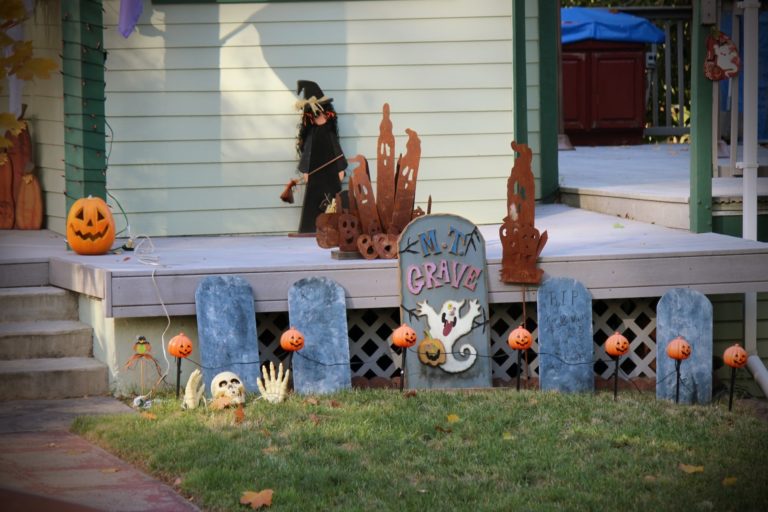
halloween-decorations-1413780169Pxe-768x512

Although humans know that the decorations are there to look at, dogs may think they’re there for eating. Make sure your dog can’t access any of your decorations, especially electrical cords, anything that could be a choking hazard, and seasonal plants that could be toxic (for Halloween, think pumpkins that have been sitting out for days and are starting to rot!). Use battery operated candles in your jack-o-lanterns to avoid your dog accidentally knocking them over and either setting something on fire or getting burned.

5. Make sure your dog's costume is safe

If you’re dressing your dog up for Halloween, make sure their costume fits properly and is comfortable, ensuring that it will not interfere with their breathing or movement. Their costume should not have any small, easily chewed off pieces that could be a choking hazard. Monitor your dog while he is in costume, just in case. If you’re going to be leaving your dog unsupervised for a while, it’s best to take the costume off for that time.

From all of us here at the Humane Society of Southern Arizona, we wish you a happy and safe Halloween!

Are there any safety tips you think we missed? Leave us a comment below and let us know.

[ssba]